As the year winds down, we thought we’d look back at a few of the highlights from what we shared in 2025.
Looking across the work, a couple of patterns stand out. Many of the most effective changes came from rebalancing existing houses rather than making them bigger. And across projects of very different ages and scales, low-energy thinking has quietly become the baseline rather than the headline.
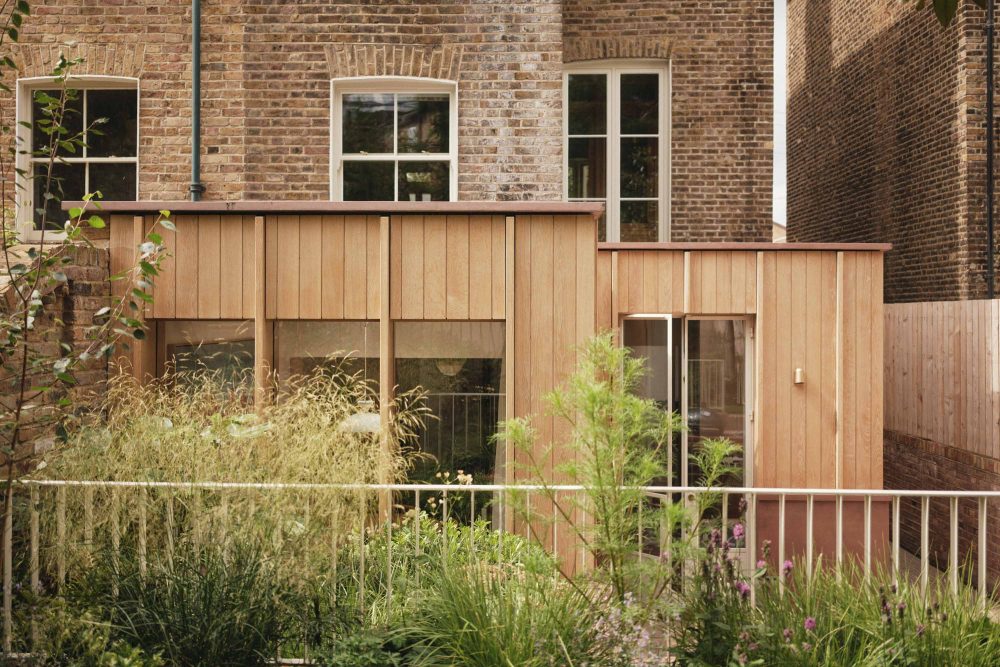
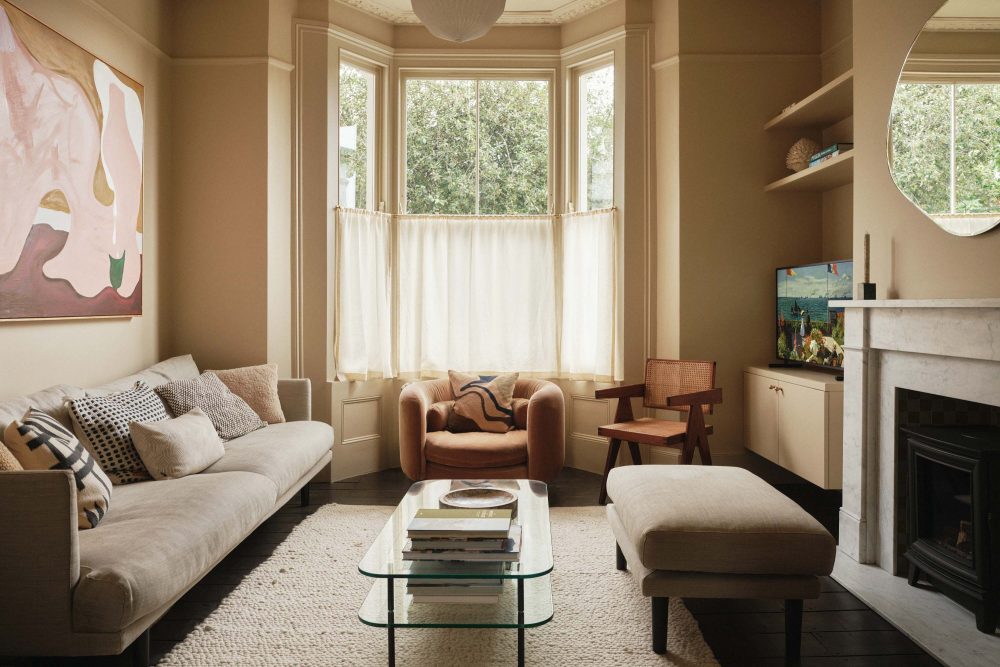
We completed and photographed Lauriston this year. A Victorian terrace reorganised around its lower-ground floor, pulling light down through the house and turning what was once the least-used level into the centre of daily life. The house now runs on kitchens, stairs, garden connections and the spaces people actually end up in. We photographed it once the family had properly moved in, because that’s when you find out whether a plan works or just looks convincing.
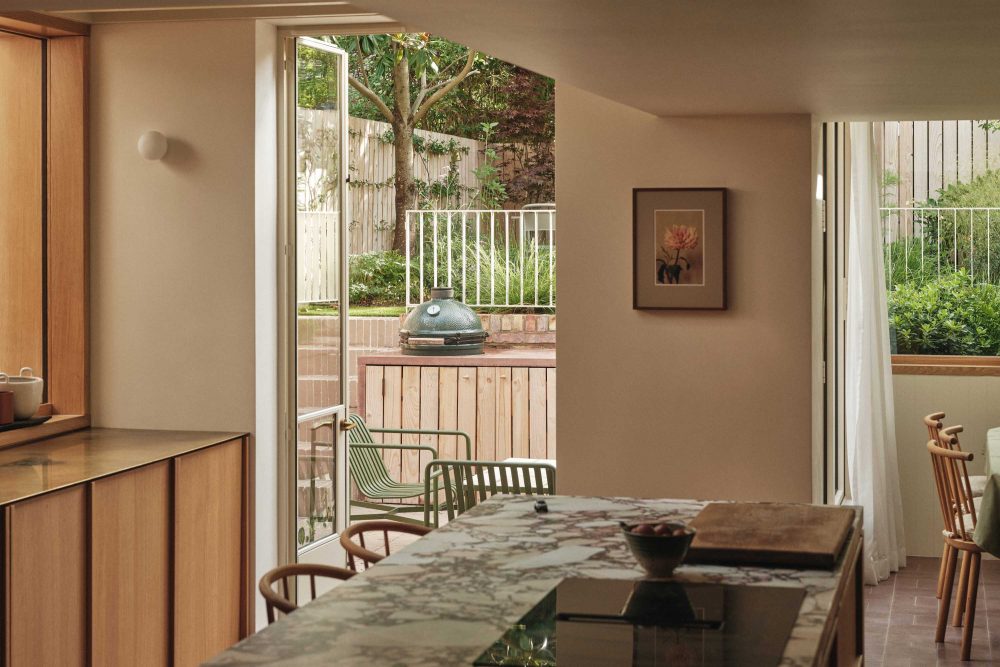
Much of what we shared this year, though, was deliberately unfinished.
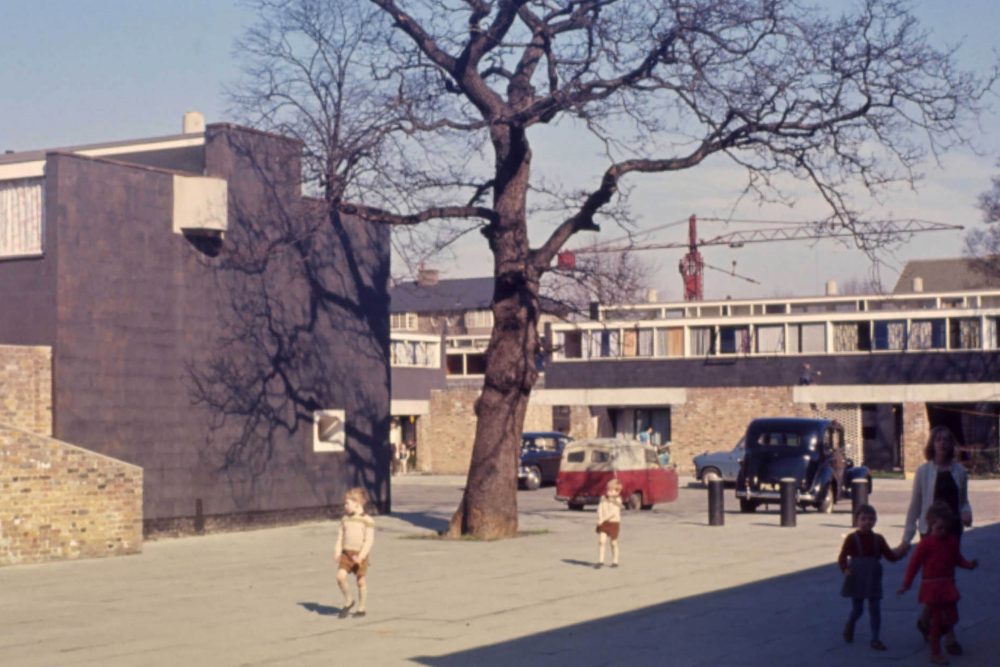
At Vanbrugh Estate, we’ve been working on a 1960s house by Chamberlin, Powell and Bon. Rather than rewriting it, the project has been about paying attention — to lightwells, curves, proportion and the original intelligence of the estate — while quietly upgrading comfort and energy performance. Archive drawings have sat alongside new proposals, not as nostalgia, but as a reminder that good ideas tend to last. Construction has now started on site, which feels like the right next chapter.
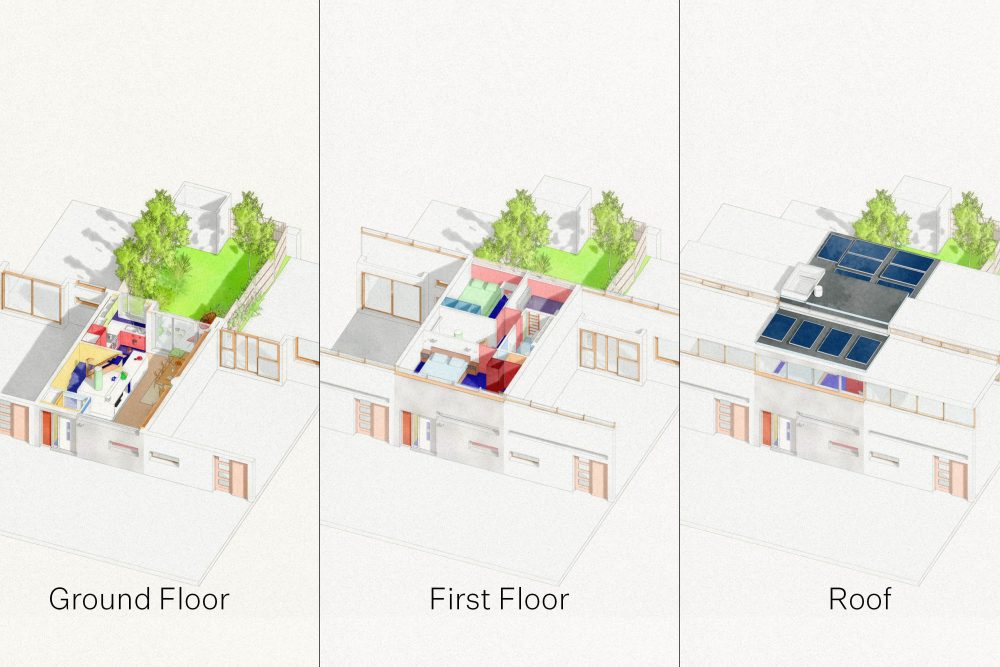
Vanbrugh Estate
Elsewhere, several projects moved from drawings into the real world.
In London Fields, a house with a sunken snug is now on site. The extension opens sideways and back into the garden, and a simple drop in level creates a place you settle into rather than pass through. It’s also fully insulated, solar-powered and running on an air source heat pump — all built in, none of it shouted about.

London Fields
In Bristol, we’re deep into the transformation of a large Victorian house for three generations living under one roof. The lower-ground floor is becoming a proper home in its own right, not a compromised basement, while a new garden pavilion is taking shape as a clearly contemporary counterpoint to the original house. Sustainability here isn’t a single move, but a series of decisions about fabric, performance and long-term comfort.

Bristol
And in the North Downs, we’ve returned to work with previous clients on a house where the garden, pool and long views have finally been put in charge. The plan has been reorganised accordingly — kitchens facing the right way, living spaces opened up, and a full performance upgrade layered in — resulting in a house that now works with its setting rather than turning its back on it.
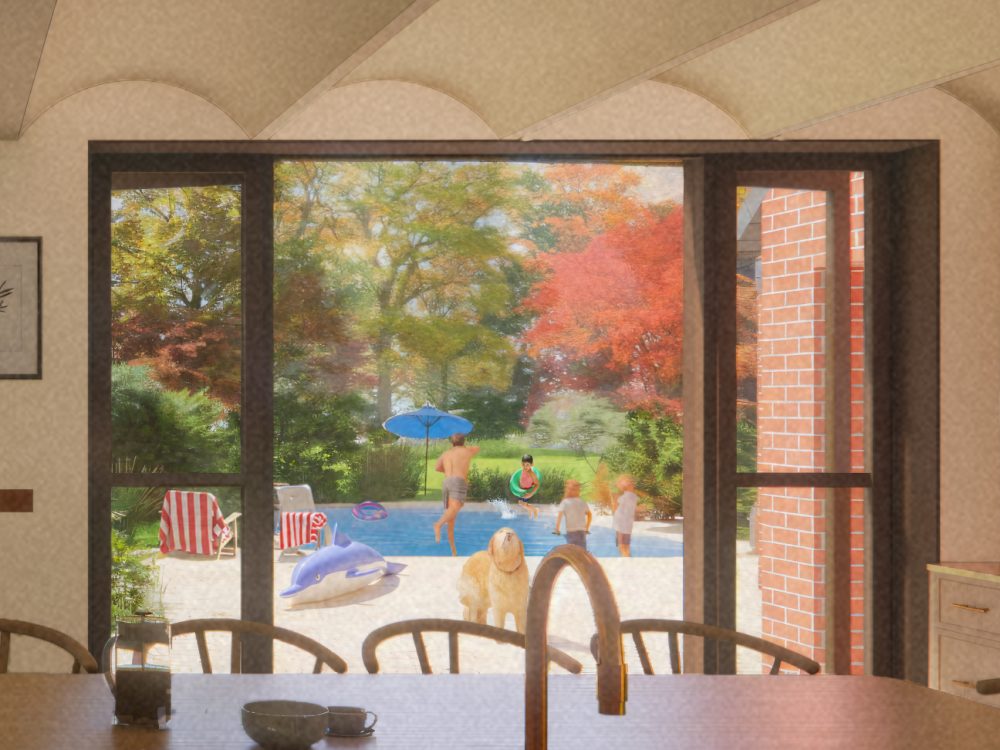
North Downs
Alongside these, a few other projects quietly completed this year. We’re holding those back for now and look forward to sharing them properly in 2026.
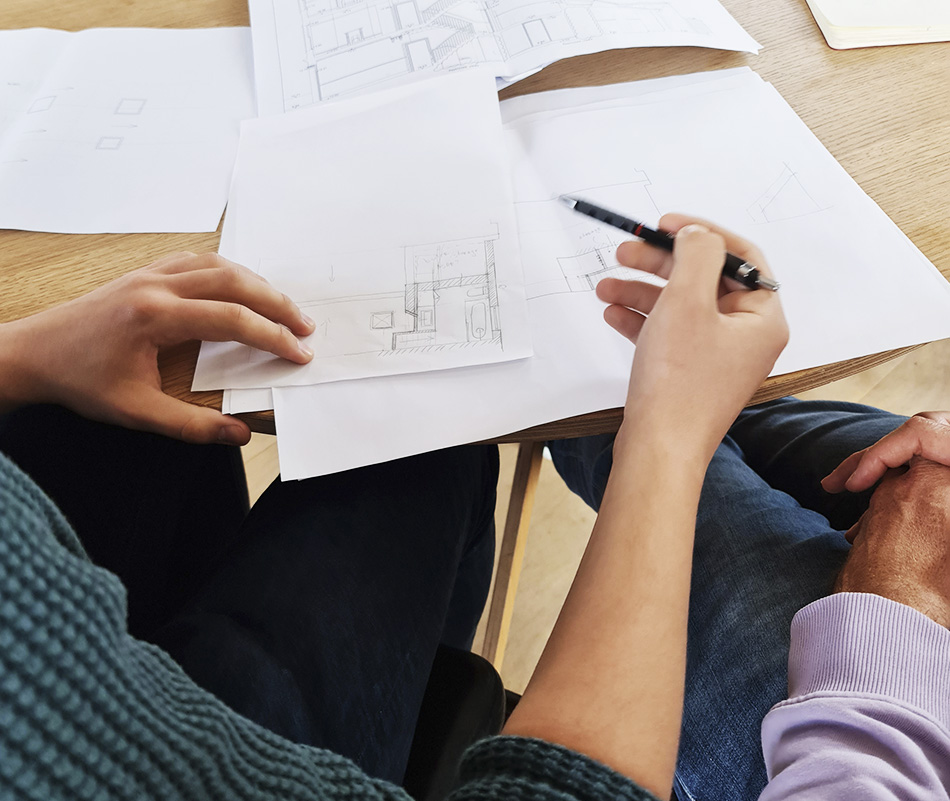
Early in the new year, two projects will step into the spotlight. A house extension and renovation in Stoke Newington, photographed just before the break. And a closer look at the renovation of Ewald’s own house — partly because it’s been an interesting project, and partly because we know how nosey people are about what architects actually do when it’s their own place. We’re happy to indulge that curiosity.
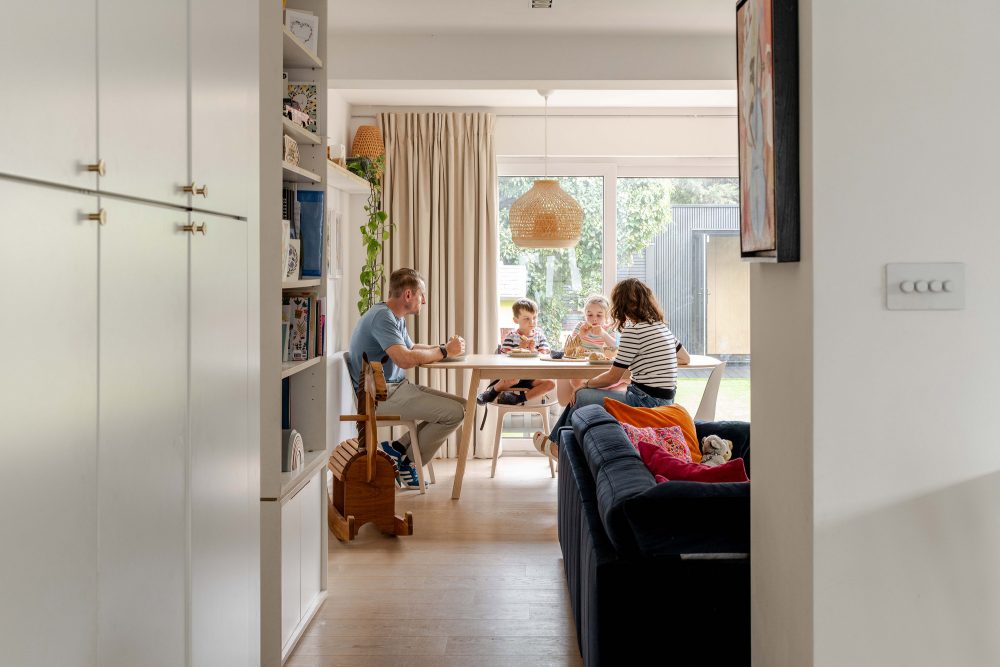
Ewald’s House
One final studio note before we sign off. Becca leaves us at the end of the year to head off travelling around South America in 2026. We’ll miss her greatly, and we’re especially pleased that the Vanbrugh Estate project she worked on so closely has now started on site.
Thanks for following along this year — whether as clients, collaborators, press, or curious onlookers who like seeing buildings mid-flight rather than perfectly finished.
See you in 2026.