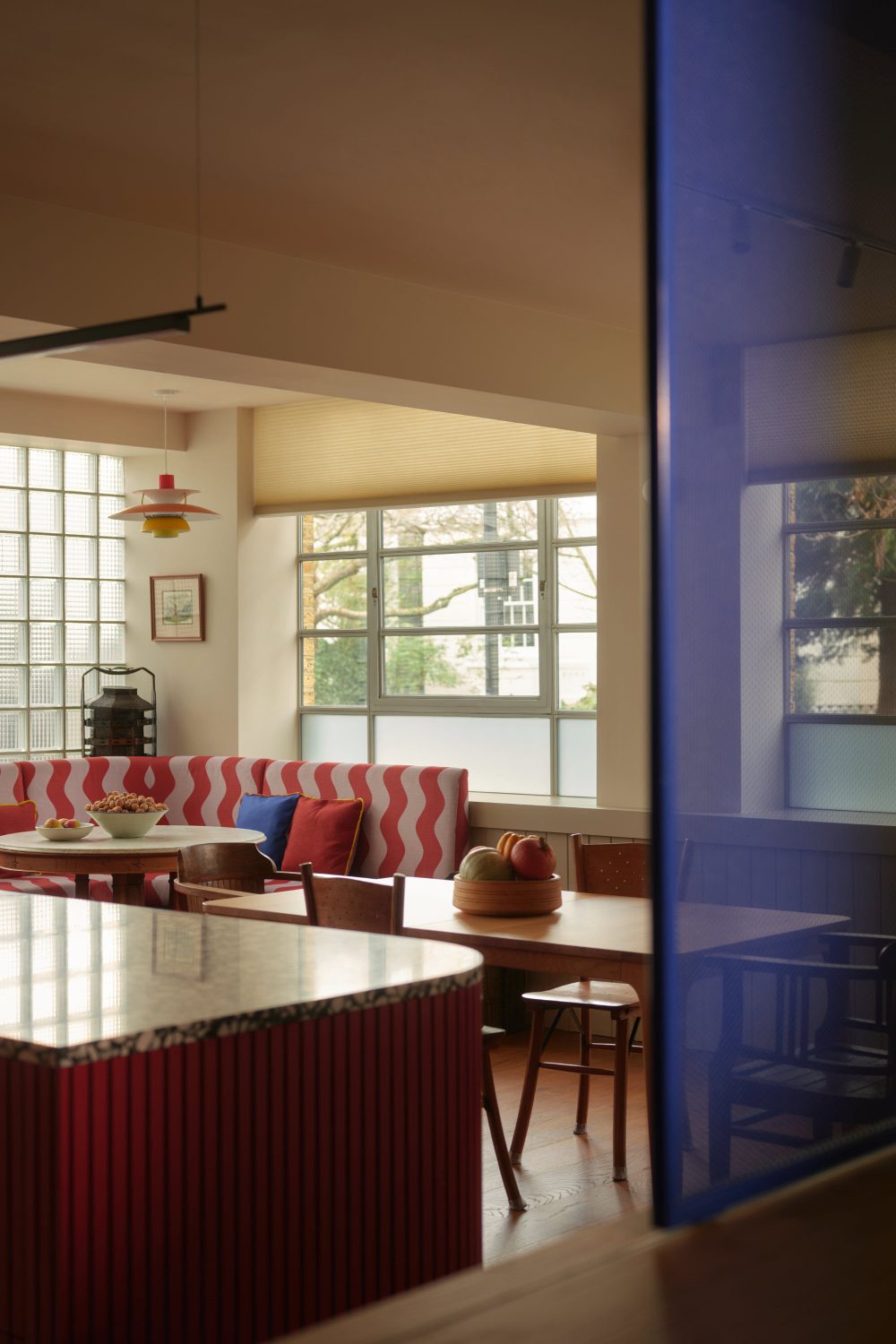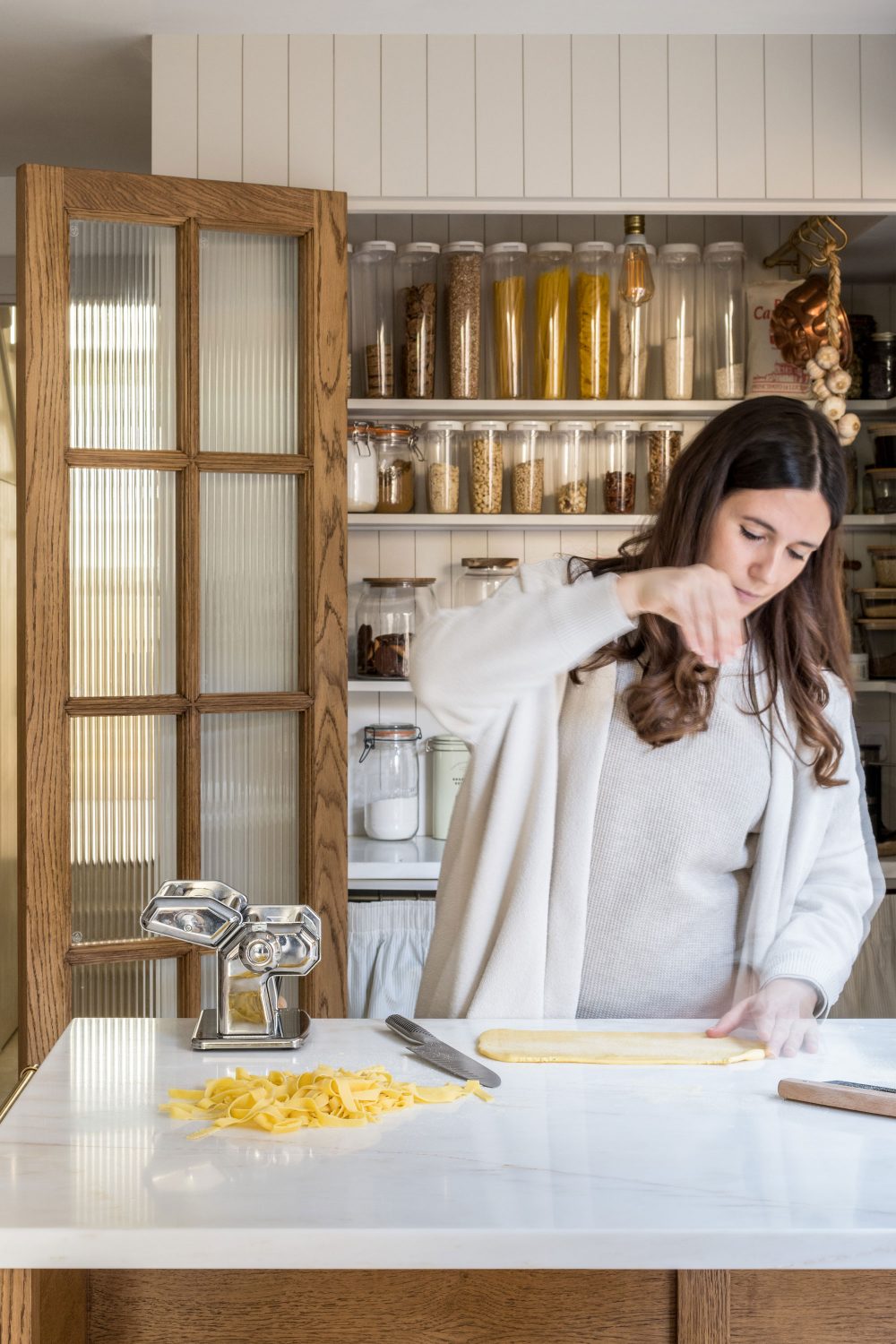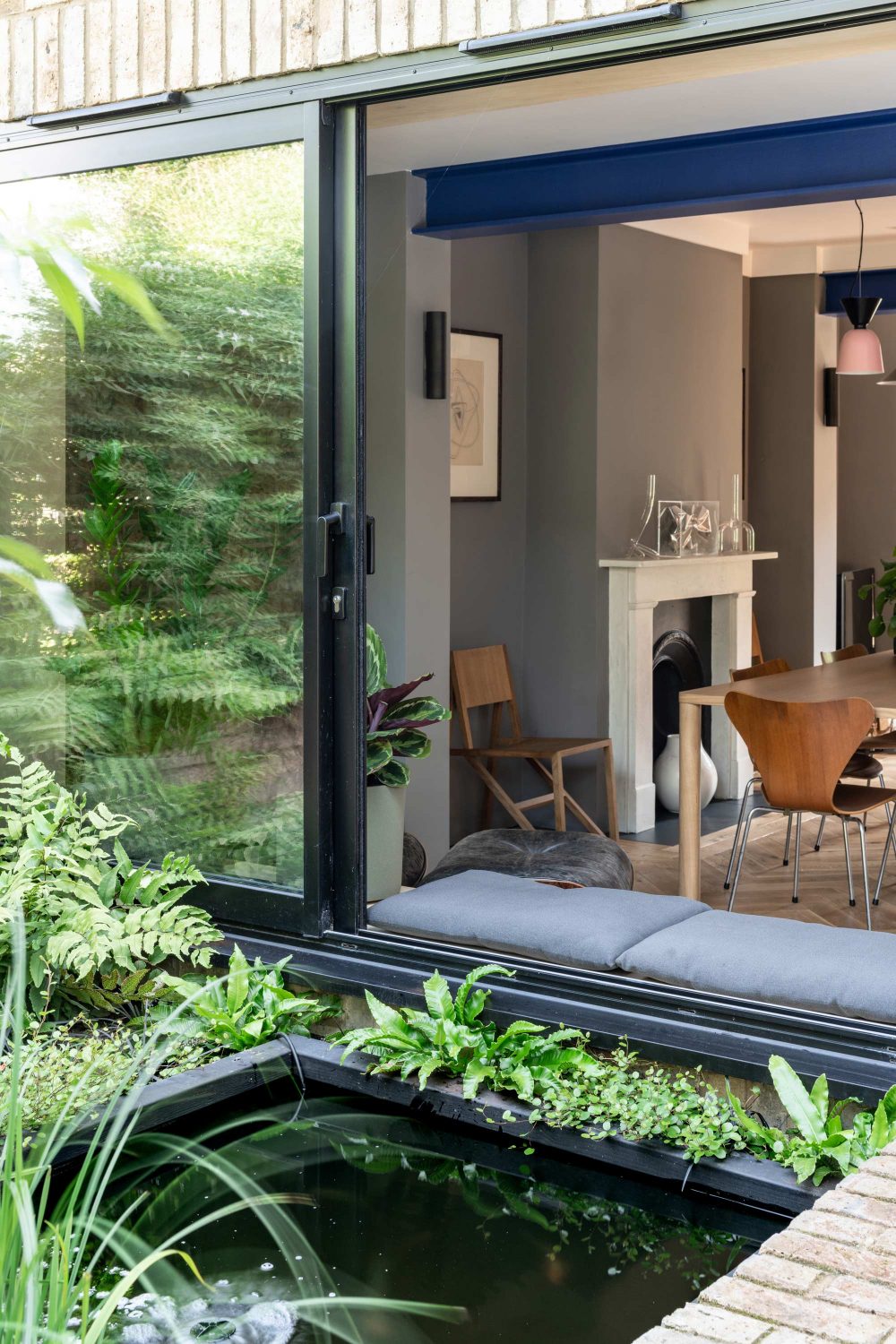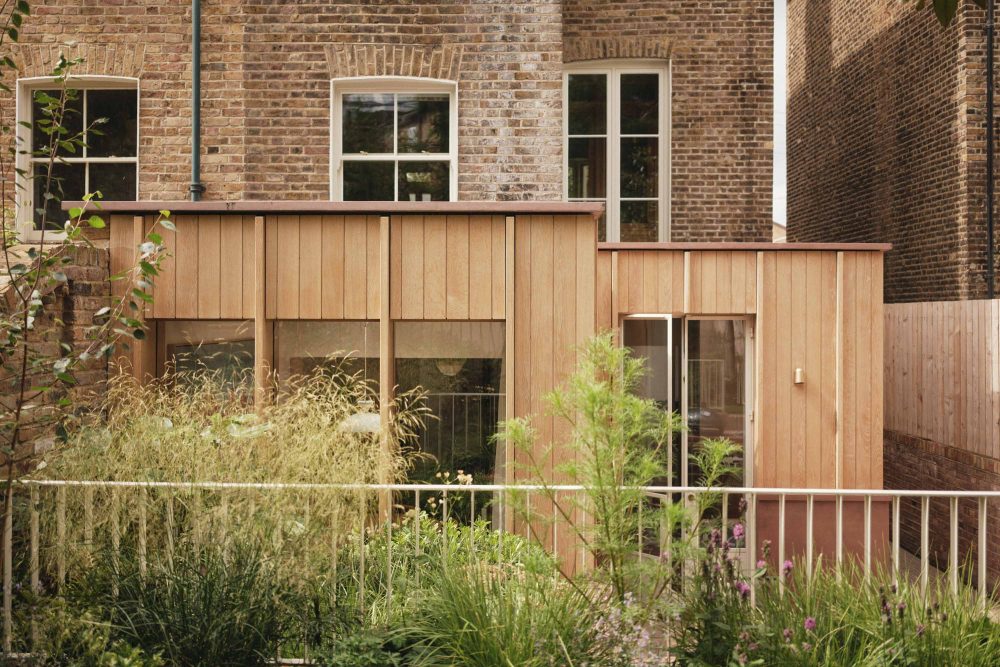
When people begin planning a home renovation, the conversations usually revolve around the things they’ll see every day. A new kitchen, a generous dining table, beautiful joinery, carefully chosen colours or the way an extension opens onto the garden. Those are exciting decisions, and rightly so. They shape the character of a home and are often the reason people decide to renovate in the first place.
We love those conversations too. At BVDS we’ve never believed that technical performance comes at the expense of good architecture or beautiful interiors. In fact, we think they’re inseparable. The way a room feels on a cold January morning, how comfortable it remains during a July heatwave, whether it’s peaceful enough to read in or warm enough to gather around the dining table on a winter evening all have just as much influence on everyday life as the materials, colours and furniture within it. Good residential architecture isn’t simply about creating spaces that look beautiful; it’s about creating homes that quietly perform beautifully too.
That way of thinking underpins almost every project we undertake. Whether we’re working on a Victorian terrace, a listed townhouse or a low-energy retrofit, we begin by asking how the building itself can work harder before we begin relying on technology to compensate. Architects call this a fabric first approach, but for us it’s simply part of designing homes that feel comfortable, resilient and enjoyable to live in for decades.
The decisions you stop noticing are often the most important
One of the interesting things about renovating an existing building is that many of the decisions with the greatest long-term impact disappear before the project is even finished. Once the plasterboard has been fixed and the walls painted, no one sees the insulation within the roof, the carefully detailed window junctions or the work that has gone into improving airtightness and reducing unwanted heat loss. Yet these hidden decisions continue influencing the building every single day, quietly shaping comfort, energy use and the way the house responds to the changing seasons.
As residential architects specialising in period homes, we see these hidden elements as part of the architecture rather than something separate from it. A fabric first approach isn’t simply about adding more insulation or chasing better energy figures. It’s about understanding how an existing building behaves and making thoughtful improvements that allow every other part of the project to work better. Better windows improve comfort whether the heating is on or not. Carefully considered insulation reduces heat loss in winter while also slowing heat entering the building during summer. Good airtightness creates more stable internal temperatures, while a well-planned ventilation strategy ensures the house remains fresh and healthy to live in. None of these decisions are particularly glamorous, but together they transform how a home feels long after the excitement of moving back in has faded.
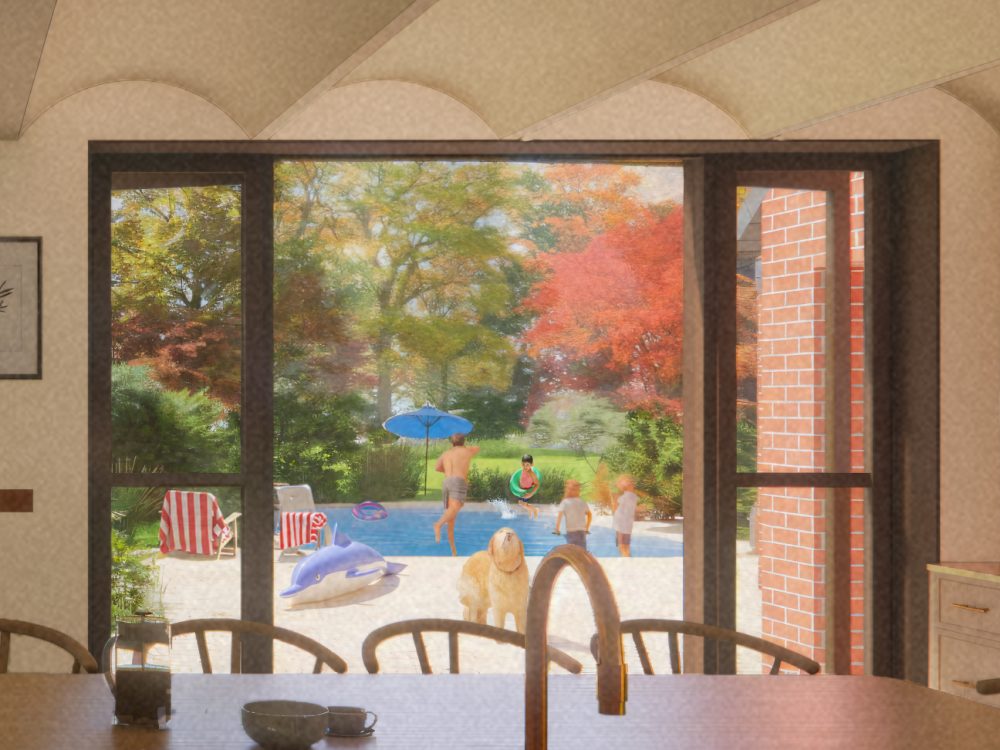
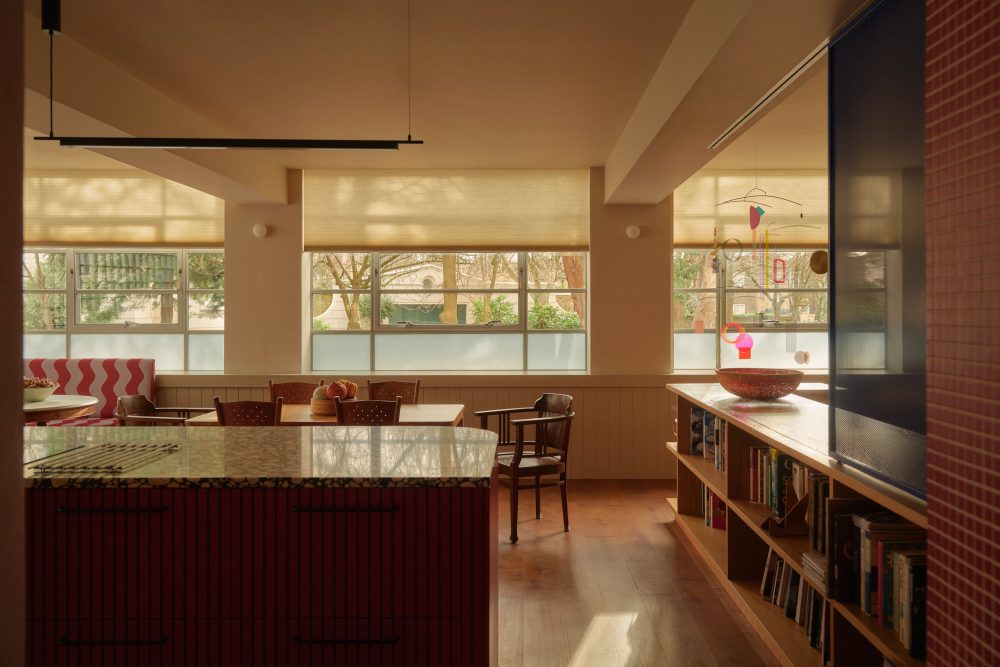
Perhaps this is where we differ from the perception that architecture is either about beautiful spaces or technical performance. For us, they’re the same conversation. A wonderful kitchen isn’t just defined by the cabinetry or the worktop. It’s equally shaped by the quality of daylight, the acoustics when friends gather around the table, the consistency of the temperature throughout the year and the sense that the room simply feels comfortable, whatever the weather outside.
Better buildings make better homes
The questions clients ask us have changed noticeably over the last few years. Concerns about energy bills remain, but conversations now regularly include overheating, indoor air quality, heat pumps, solar panels and, increasingly, whether air conditioning has become a sensible addition to a London home.
We think that’s an entirely reasonable conversation to have. Technology has moved on enormously, and many of our projects now incorporate air source heat pumps, mechanical ventilation with heat recovery, photovoltaic panels and battery storage. In some circumstances, particularly in loft conversions or highly glazed spaces, air conditioning can also be the right decision. We don’t see these technologies as alternatives to a fabric first approach; we see them as complementary to it.
A well-performing building simply allows every system inside it to work more effectively. A house that loses less heat requires less from its heating system. A house that gains less heat during summer asks less of its cooling system. The result isn’t simply lower energy consumption. It is a home that feels calmer and more consistent throughout the year, without constantly swinging between being too hot and too cold.
One of the biggest misconceptions we still encounter is the idea that insulation is only there to keep a house warm. In reality, insulation doesn’t create warmth at all; it slows the movement of heat. During winter that means retaining warmth inside the building. During summer the same principle works in reverse, slowing heat entering from outside. As London experiences increasingly hot summers alongside cold winter periods, that balance has become just as important as reducing heat loss. Comfort is no longer a seasonal consideration. It’s something we expect from our homes all year round.
Every building deserves its own response
One reason we continue to enjoy working with existing buildings is that they refuse to follow standard solutions. A Victorian terrace behaves very differently from a mid-century modern house. Listed buildings bring another set of opportunities and constraints altogether. Construction methods, previous alterations and the way a building manages moisture all influence how far it can, and should, be upgraded.
That’s why we don’t think of a fabric first approach as a checklist. It’s a way of thinking about each building individually.
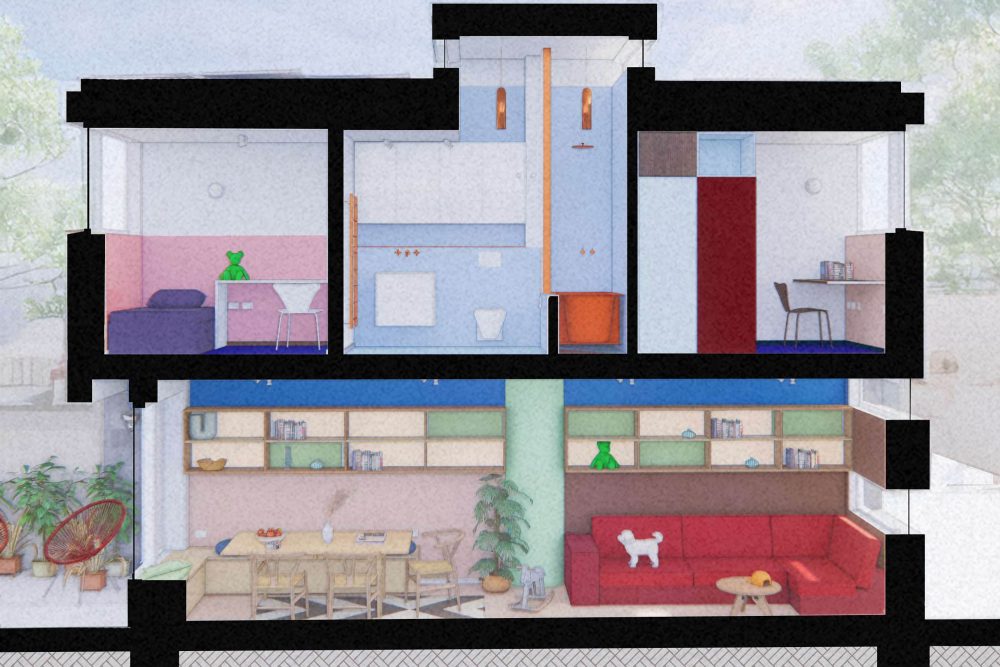
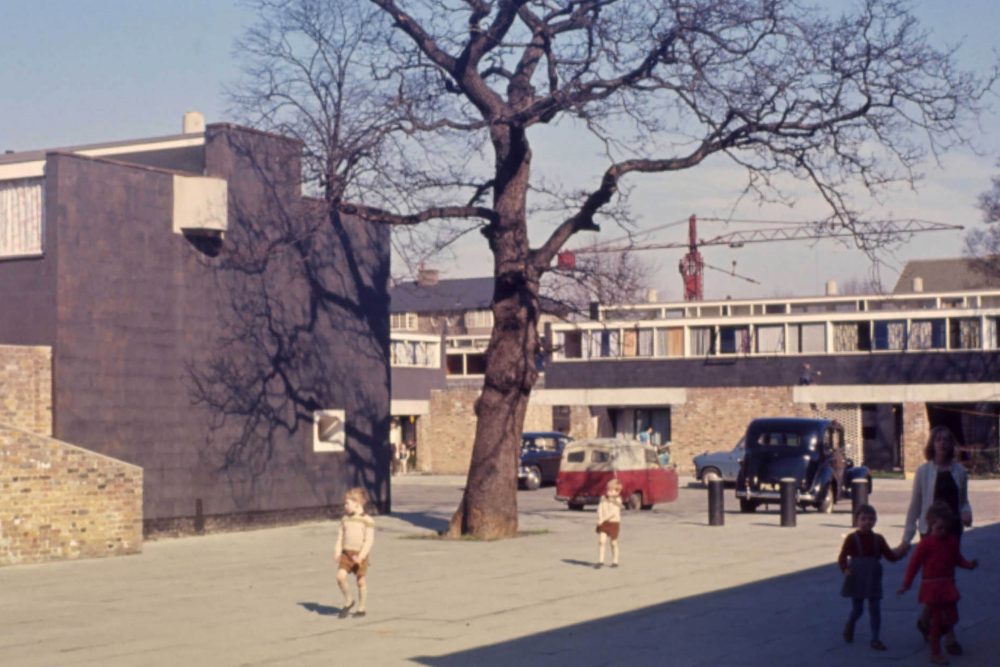
Our ongoing refurbishment of a Chamberlin, Powell and Bon house on the Vanbrugh Estate is a good example. The ambition has never been to overwhelm an important piece of modernist architecture with new technology. Instead, the project carefully combines discreet improvements to the building fabric with new high-performance windows, an air source heat pump, MVHR and solar panels, allowing the house to become dramatically more comfortable while remaining true to the qualities that made it worth preserving in the first place.
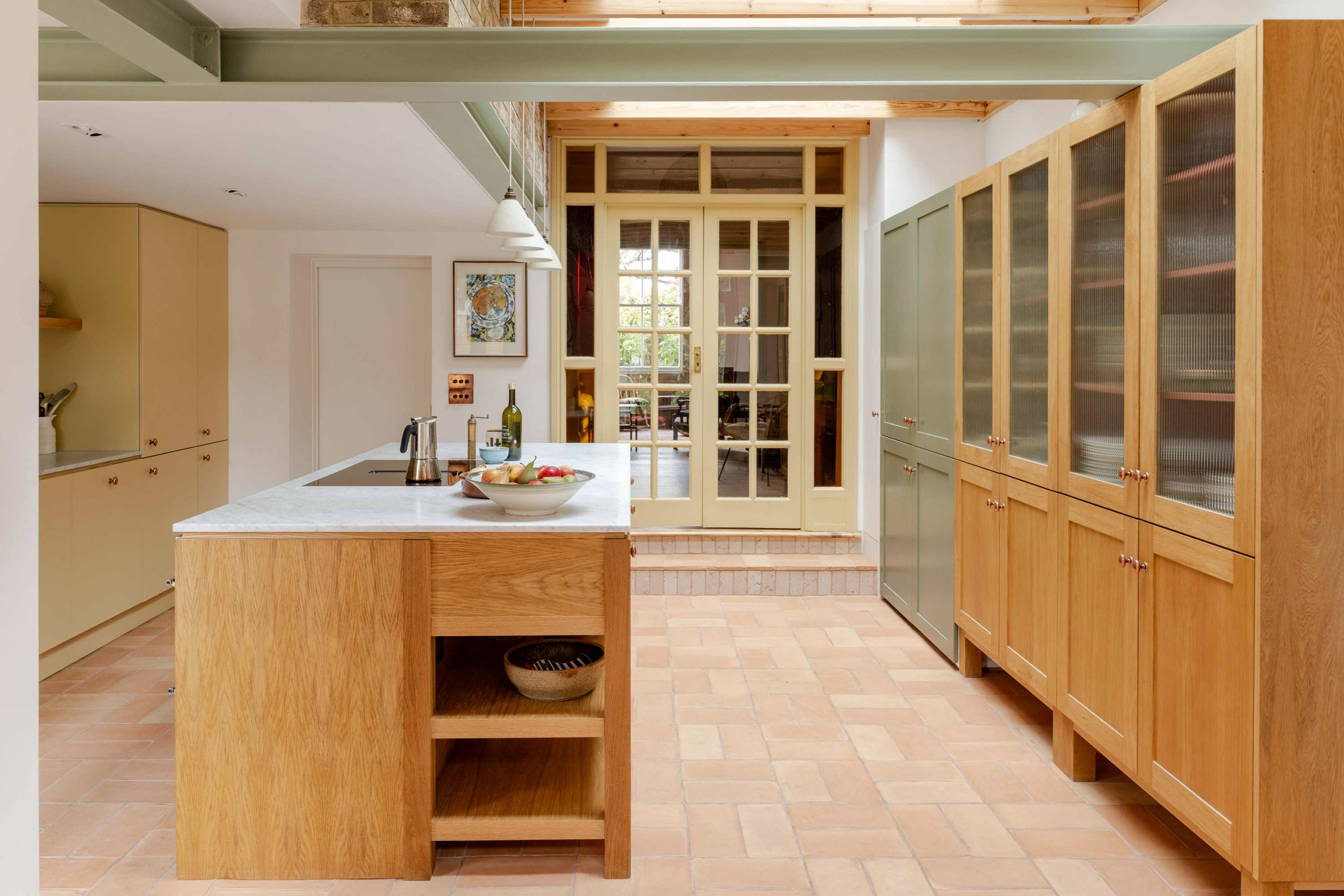
The same philosophy informed Olive in Stoke Newington, although the building and the brief were entirely different. Alongside creating a warm, sociable extension centred around family life, the project incorporated fabric improvements and an air source heat pump that together create an exceptionally stable internal environment. As the clients describe it, the radiators rarely feel particularly hot, yet the house always feels comfortable. That’s perhaps the greatest compliment a building can receive. When the environmental performance fades quietly into the background, everyday life can take centre stage.
Invisible architecture
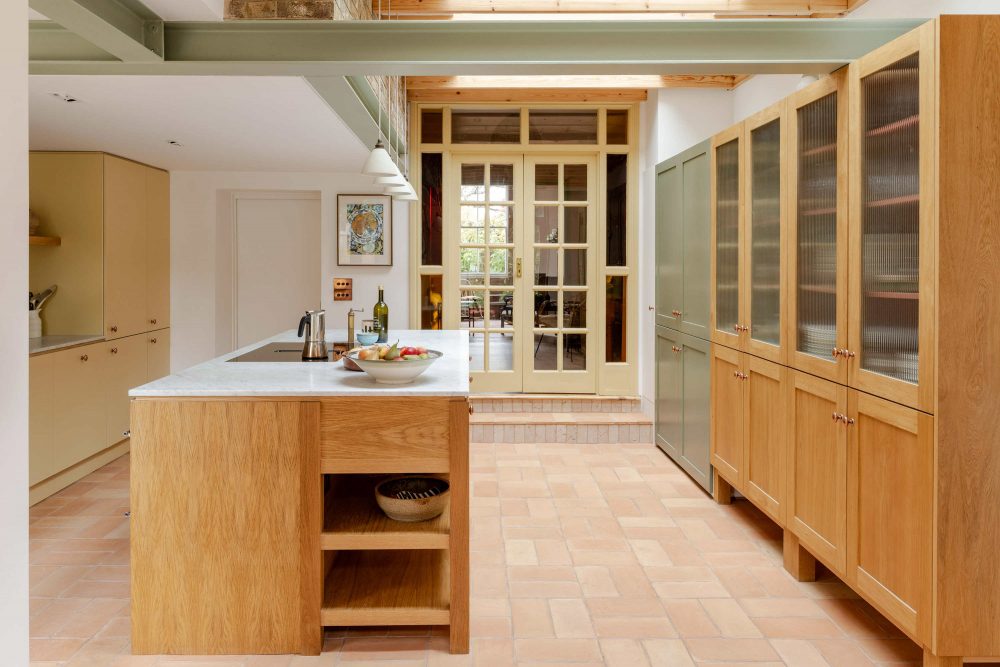
When a project is photographed, attention naturally falls on the visible architecture. The staircase, the kitchen, the materials, the colours and the carefully framed views all deserve that attention because they shape the identity of a home.
Yet some of the design decisions we’re proudest of are almost impossible to photograph. They disappear behind finished walls before construction is complete, but continue working every hour of every day. They’re the decisions that reduce draughts without making a house feel sealed, that help bedrooms remain comfortable during a heatwave, that allow heating systems to run more efficiently and that quietly improve the experience of living in a home without ever drawing attention to themselves.
For us, that’s what a fabric first approach really means. It isn’t about pursuing technical perfection or following a sustainability trend. It’s about recognising that architecture, interiors and building performance are inseparable. When they’re considered together, rather than as separate disciplines, the result isn’t just a more energy-efficient house. It’s a home that’s more comfortable, more resilient and ultimately a more enjoyable place to live.
If you’re planning to renovate or extend your home, we’d be delighted to discuss how these ideas could shape your project. Because while the best architecture should certainly look beautiful, we think its greatest success is often something you simply feel.
Frequently Asked Questions
What is a fabric first approach?
A fabric first approach prioritises improving the building itself through insulation, airtightness, glazing and ventilation before selecting heating and cooling systems. The aim is to create a home that is naturally more comfortable and requires less energy to run.
Does a fabric first approach mean I shouldn’t install air conditioning?
Not at all. Air conditioning can be an entirely appropriate solution in some homes. A fabric first approach simply ensures the building performs as well as possible first, allowing any heating or cooling system to operate more efficiently.
Is a fabric first approach suitable for Victorian houses?
Yes, although every building requires a tailored approach. As architects specialising in period homes, we carefully consider the construction, heritage value and condition of each property before recommending fabric improvements.
Why is a fabric first approach important in sustainable home design?
Because the building fabric lasts for decades. Improving insulation, glazing and airtightness reduces heat loss, limits overheating and creates a better foundation for technologies such as air source heat pumps, solar panels and mechanical ventilation.
Suggested Related Articles