Why Passive Design Still Matters in a Hotter Climate
By Stephen, Associate at Bradley Van Der Straeten
After another record-breaking summer in London, keeping homes comfortable is no longer a niche environmental discussion. It’s becoming one of the most common concerns homeowners raise when planning an extension or renovation.
At Bradley Van Der Straeten, we don’t see the conversation as passive design versus air conditioning. Instead, we ask a broader question: how can we design homes that remain comfortable using the least amount of energy, cost and mechanical intervention?
Sometimes that includes air conditioning. Increasingly, it does. But whatever cooling strategy a home ultimately relies on, we believe good design should always come first.
A Fabric-First Approach
Buildings last for decades, so the decisions we make today need to respond not only to the climate we have now, but also to the warmer summers we’re likely to experience throughout a building’s lifetime.
That’s why our approach starts with the building itself. Before thinking about mechanical cooling, we look at how the home’s orientation, layout, glazing, materials and ventilation can work together to reduce overheating naturally.
This “fabric first” approach has long been central to low-energy building design. By reducing unwanted heat gain and helping buildings respond more intelligently to changing temperatures, we can often reduce the need for cooling altogether or, where air conditioning is appropriate, specify smaller, more efficient systems.
Air Conditioning Has Its Place, But It Shouldn’t Be Doing All the Work
After recent summers, it’s easy to understand why more homeowners are considering air conditioning. It can make a significant difference during periods of extreme heat, particularly in loft conversions, highly glazed spaces or homes where natural ventilation is limited.
Equally, air conditioning isn’t the right solution for every project. Installation costs can be significant, running costs are ongoing, and external units aren’t always easy to accommodate, particularly on sensitive sites or in conservation areas. For many homeowners, it’s simply not the right investment.
It’s also worth noting that mechanical cooling doesn’t always equate to optimal comfort. Air conditioning systems typically cool air locally and intermittently, which can create noticeable temperature differences, draughts or fluctuations within a space. By contrast, well-designed passive strategies such as shading, ventilation and thermal mass tend to deliver more stable internal conditions, which many people perceive as more comfortable day to day, even if peak temperatures are slightly higher for short periods.
Where cooling systems are included, they work best when they’re supporting a well-designed building rather than compensating for one that overheats unnecessarily. A home that has already been designed to minimise solar gain, store heat intelligently and ventilate effectively will generally require smaller systems, consume less energy and remain comfortable for longer if the cooling isn’t running.
Our aim isn’t to avoid mechanical cooling at all costs. It’s to reduce a home’s reliance on it wherever possible.
Where air conditioning is included, its environmental impact can also be significantly improved when considered as part of a wider energy strategy. For homes with photovoltaic panels, for example, daytime cooling demand can often align with peak solar generation, helping to offset running energy and reduce overall operational carbon. This doesn’t replace the need for good passive design, but it can make mechanical cooling a more efficient and considered part of the overall system.
Designing for Summer as Well as Winter
Insulation is often associated with keeping heat in during winter, but it’s just as important when it comes to staying comfortable during summer.
Many people are familiar with U-values, which measure how quickly heat passes through a building element. They’re important, but they only tell part of the story.
We also consider thermal mass and phase shift: how much heat a material can absorb and, crucially, how slowly it releases that heat again.
Dense, natural insulation materials such as wood fibre can act as a thermal buffer. During the hottest part of the day they absorb heat, slowing the rise in internal temperature. As outdoor temperatures fall overnight, that stored heat can then be released gradually, helping to maintain a more stable indoor environment.
If the delay, known as the phase shift, is long enough (typically around 12 to 15 hours), much of that heat is released when it can be flushed away through night-time ventilation. If it’s too short, the heat returns to the room during the afternoon, precisely when comfort matters most.
It’s one example of why two constructions with similar U-values can perform very differently during summer.
Why Lofts Often Overheat
Loft conversions are among the spaces most prone to overheating.
They’re typically lightweight constructions with large areas of roof exposed to direct sunlight, and are often insulated using foil-faced foam products selected primarily to achieve the required U-value within a limited build-up.
While these systems satisfy Building Regulations, they have relatively little capacity to absorb and moderate heat. As a result, temperatures can rise rapidly during hot weather.
Where appropriate, we look at alternatives that improve summer performance as well as winter efficiency, including denser, breathable insulation materials with greater thermal performance in real-world conditions. Although they may require thicker build-ups, they can make a noticeable difference to comfort during prolonged hot weather.
Passive Design Starts at the Beginning
The most effective strategies for preventing overheating are usually established during the earliest stages of design.
These include:
– Orientating glazing to manage solar gain rather than simply maximise daylight
– Incorporating external shading, deep reveals or carefully considered overhangs to reduce direct summer sun.
– Designing effective cross ventilation and vertical ventilation, releasing warm air at roof level, so cooler evening air can flush accumulated heat from the building
– Selecting materials that respond well to changes in temperature and humidity
– Carefully balancing daylight, views and thermal performance rather than optimising one at the expense of another
Individually these measures may seem modest. Together they have a significant impact on how a home performs and how comfortable it feels during increasingly hot summers.
A Real Example: The Mica Apartment
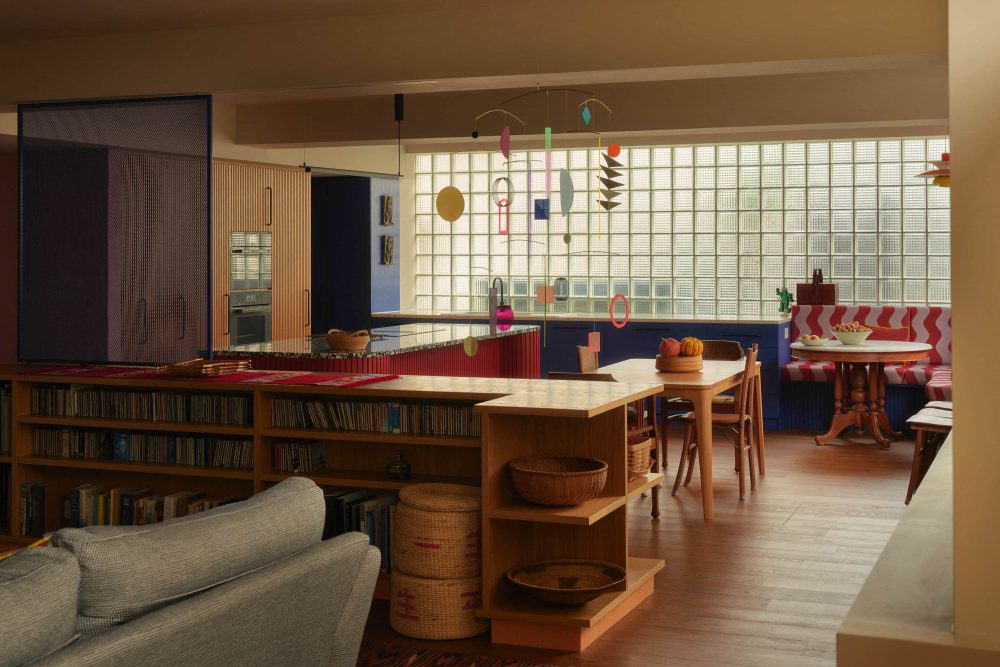
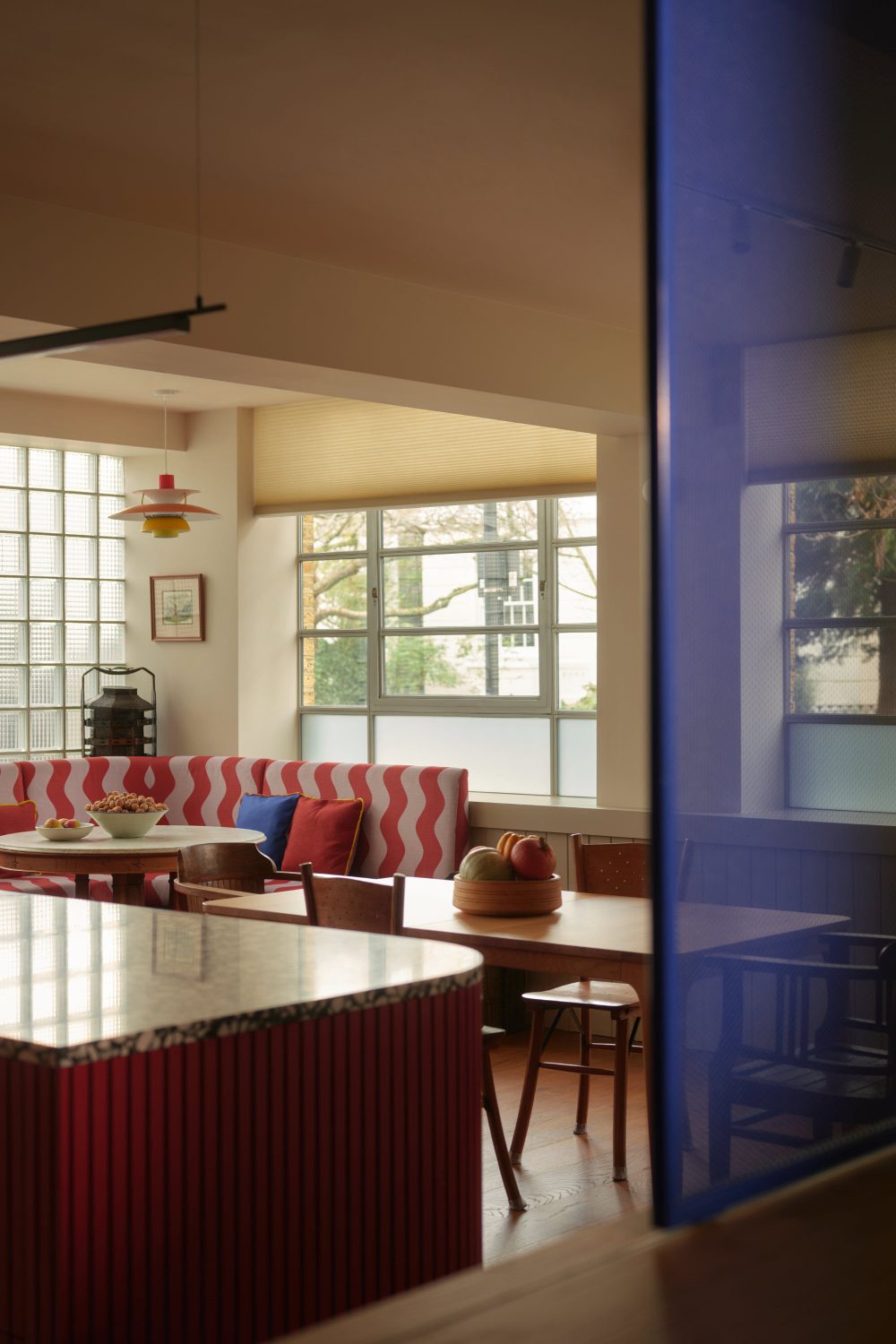
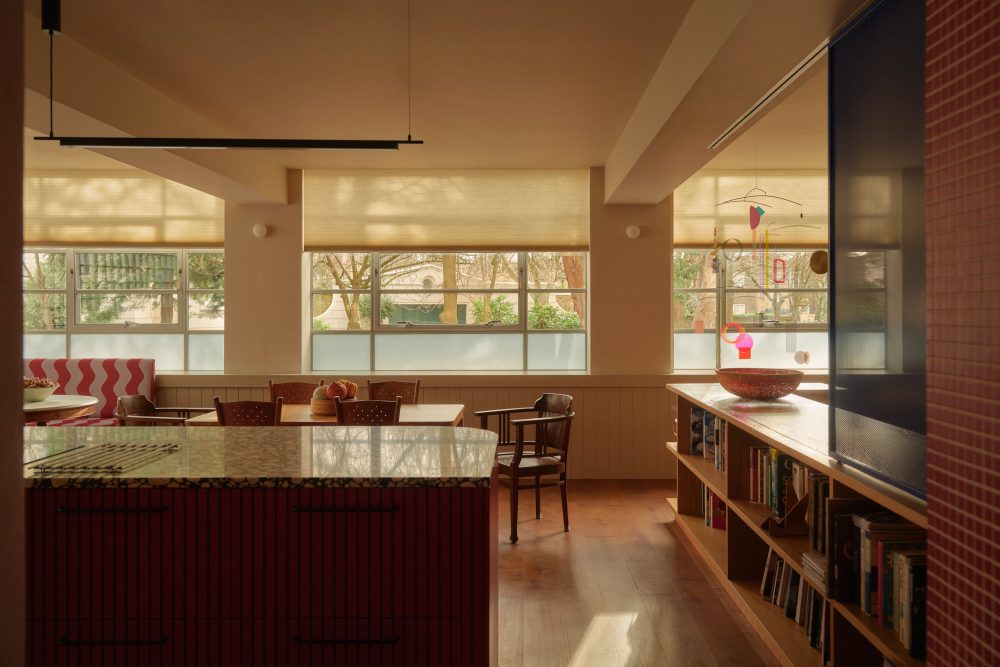
A recent BVDS project, the Mica apartment, demonstrates how these principles come together in practice.
Set within a historic building, the project involved a full internal retrofit of a large apartment, where the brief was not only to improve thermal performance in winter, but also to address overheating risk in summer without relying on air conditioning as the primary solution.
We insulated all external walls internally, carefully improving the building fabric while respecting the constraints of the existing structure. At the same time, we significantly upgraded airtightness to eliminate uncontrolled draughts and heat loss, creating a more stable internal environment year-round.
To manage summer conditions, we introduced solar control blinds to the windows, reducing unwanted heat gain during peak sun exposure. This is particularly important in buildings like this, where large glazed openings can otherwise lead to rapid internal temperature rises.
Finally, a mechanical ventilation with heat recovery (MVHR) system was installed, providing continuous fresh air without the need to open windows during hot weather. This means the home can be ventilated effectively even on heatwave days, without allowing hot outside air to disrupt internal comfort.
The result is a space that remains calm, stable and comfortable throughout the year. In winter it retains heat efficiently. In summer it avoids the typical overheating issues associated with older, less controlled buildings, all without relying on constant window opening or high energy cooling systems.
It is a good example of how a combination of fabric upgrades, shading and controlled ventilation can transform the lived experience of a home, particularly in a warming climate.
Passive Design and Air Conditioning Work Best Together
Passive design and air conditioning aren’t opposing ideas. In many cases, they’re most effective when used together.
A home that has already been designed to minimise overheating requires less cooling to stay comfortable. That can allow for smaller systems, lower installation costs, reduced running costs and lower energy consumption over the life of the building.
Just as importantly, mechanical cooling becomes a refinement rather than a necessity. The building itself does more of the work.

Looking Beyond Minimum Standards
Building Regulations have traditionally focused on reducing heat loss in winter. More recently, Part O has introduced requirements intended to reduce overheating risk in new homes.
This is a welcome step, but regulations inevitably represent a minimum benchmark rather than best practice.
Our approach is to consider thermal performance from the outset, using modelling, technical detailing and a thorough understanding of building fabric to inform design decisions long before construction begins. That allows us to make informed choices about glazing, insulation, ventilation, shading and, where appropriate, mechanical cooling before problems are built into the project.
Designing Homes That Feel Better to Live In
Ultimately, successful technical design isn’t measured by a spreadsheet. It’s measured by how a home feels on the hottest day of the year, the coldest morning in winter, and every ordinary day in between.
We don’t begin projects by asking whether a client should install air conditioning. We begin by understanding how they’ll live, where overheating is likely to occur, and which combination of passive measures and mechanical systems will deliver the best long-term outcome.
As our climate continues to change, that balanced approach is becoming more important than ever.
If you’re planning to extend, renovate or retrofit your home, we’d be happy to discuss how thoughtful design can create a house that’s comfortable, resilient and ready for the future.
Get in touch to start a conversation.