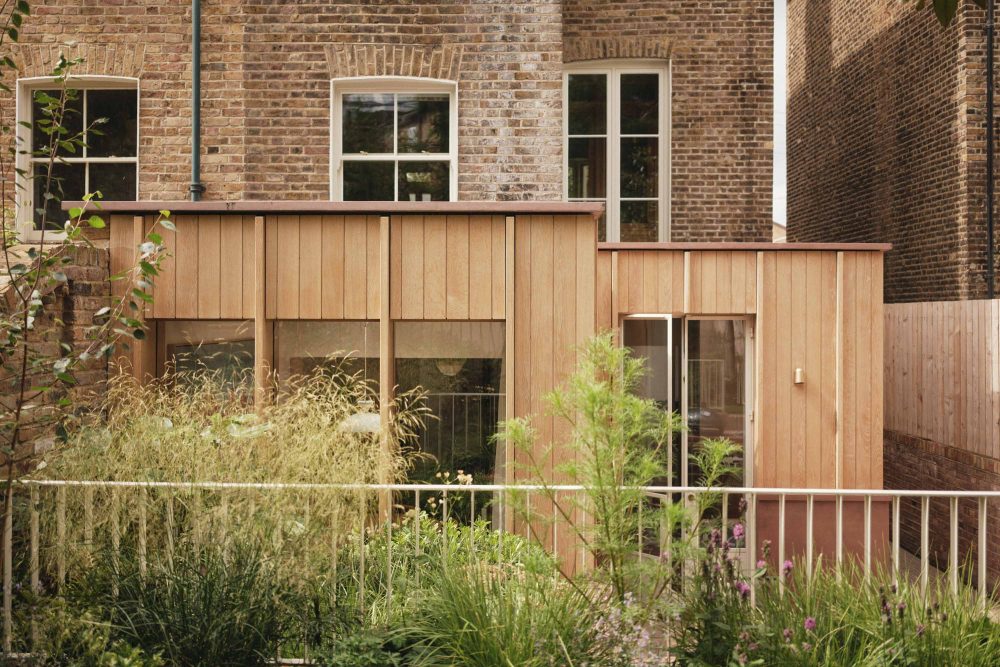
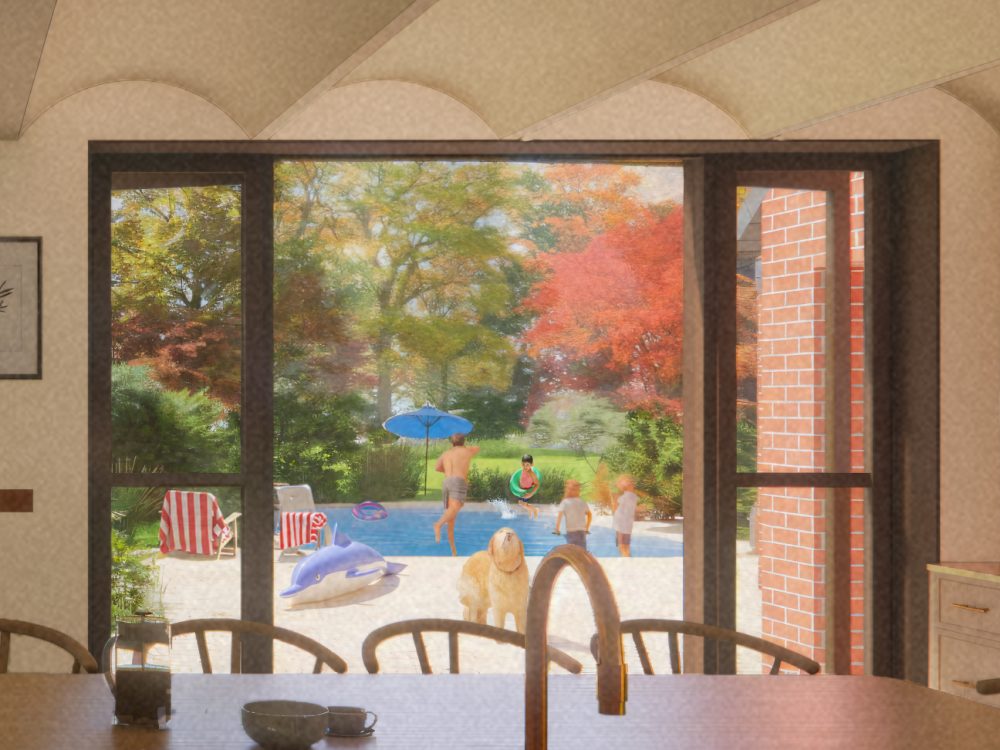
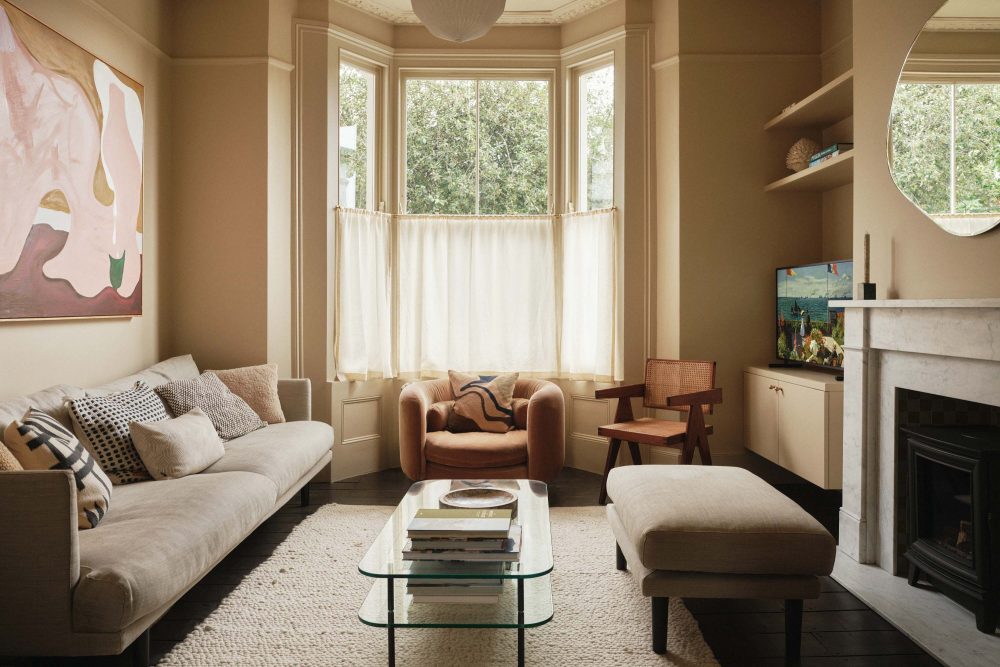
At Bradley Van Der Straeten Architects, we believe the best homes aren’t just beautiful: they’re comfortable, healthy and built to stand the test of time. That’s why we prioritise creative interior design that utilises natural, low-energy principles; going beyond insulation and double glazing to create a comprehensive, sustainable home design.
As pioneering sustainable architects, we prioritise integrating three key ingredients into our creative interior design projects: airtightness, breathability and thermal mass.
Airtightness: Locking In Comfort, Not Air
It’s a common misconception that airtight homes are stuffy or sealed shut. In reality, airtightness is one of the most important parts of making a home energy efficient and comfortable, especially if you’re investing in improved insulation and low-carbon heating.
Warm air can escape through the smallest gaps and cracks. Therefore, without good airtightness, up to 40% of a building’s heat can leak out: which is a huge waste of energy and money. This is one of the main reasons behind the so-called ‘performance gap’, where a home’s real-world energy use doesn’t live up to predictions.
Our team of sustainable architects use sustainable home design, London residents in particular, vitally need to minimise uncontrolled air leakage while ensuring your home still has plenty of fresh air, delivered through carefully considered, controlled ventilation. That’s how we create homes that are warm in winter, but cool in summer; making them feel great to live in all year long.

Breathability: A Natural Approach to Moisture Control
Airtightness and breathability go hand in hand. While airtightness controls air movement, breathability is all about moisture, and it’s particularly important in older buildings or retrofit projects.
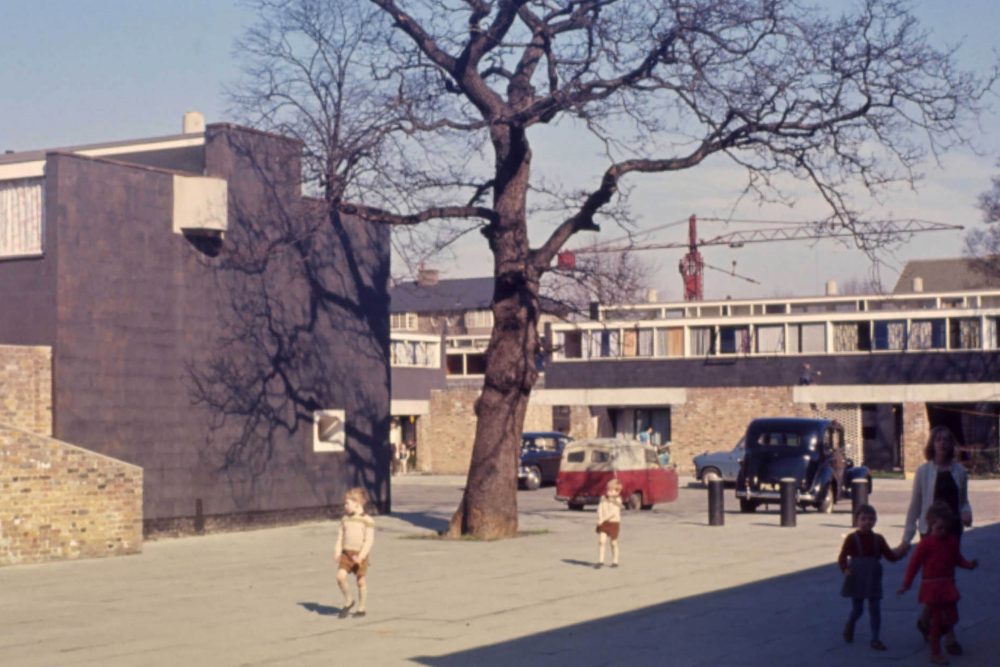
Traditional homes were built using breathable materials like lime plaster and solid masonry, which allowed moisture to move through the fabric and evaporate naturally. This helped to prevent condensation and mould.
Modern materials such as cement render, vinyl paints and gypsum plaster, on the other hand, are far less forgiving. They trap moisture inside walls, which can lead to mould, poor air quality and damage to the building fabric over time.
That’s why we recommend using breathable, natural materials wherever possible. Not only do they help regulate your home’s internal humidity and improve occupant health but they also protect the building for the long term.
Thermal Mass and Overheating: Designing for a Changing Climate
With better insulation and warmer summers, overheating is becoming one of the biggest risks in modern homes; especially in loft conversions or homes with large roof areas.
Standard foam-based insulations may perform well on paper but they have very little ability to absorb and slow down heat. That means once heat gets in, it quickly builds up inside.
As residential architects focusing primarily on sustainable home design, London clients can benefit from, we prefer to use natural insulation materials like wood fibre or cork, which have a higher thermal mass. This allows them to delay internal heat build-up, helping London homes stay cooler for longer: which is particularly important during the city’s summer heatwaves. These materials also tend to have lower embodied carbon and are naturally breathable, making them an all-round better choice for a sustainable home design

Future-Proofing Your Home with Intelligent Design
Every home is different. But whether we’re transforming a Victorian terrace or building from the ground up, we always design with a deep understanding of how homes actually perform in reality: not just how they should perform on paper.
If you’re planning a renovation and want a home that not only prioritises creative interior design to look amazing, but sustainable home design to work naturally and feel as good as it looks no matter what the London climate throws at it, our team of sustainable architects would love to hear from you.
Please get in touch with us today if you’d like to talk about how we can help bring your vision to life with sustainable home design London locals are already loving
Read about a project where we utilised all these sustainable home design principles by clicking here.